How to Choose the Right Keiko Gi for Your Discipline
Choosing a Keiko Gi is often treated as a simple decision. Many practitioners focus only on price or brand. In reality, the right uniform can influence comfort, movement, confidence, and long-term consistency.
This guide will help you make a structured decision.

How to Choose the Right Keiko Gi for Your Discipline
Step 1 — Understand Your Training Style
Different disciplines place different demands on a uniform. Traditional arts often require structure and durability. High-frequency training requires comfort and flexibility.
Ask yourself:
• How often do I train each week?
• Is my training technical, physical, or both?
• Do I need durability, mobility, or balance?
The answer will guide your fabric and fit.
Step 2 — Fabric Weight Matters
Fabric weight influences durability and comfort.
Lightweight options
Ideal for frequent training and faster drying.
Midweight options
Balanced and suitable for most practitioners.
Heavy or structured options
Traditional feel and maximum durability.
There is no universal best choice. The best option is the one that supports your training.
Step 3 — Fit Is More Important Than Most Think
Many martial artists underestimate how much fit influences performance.
A poor fit can:
• Restrict movement
• Create discomfort
• Distract your focus
• Reduce confidence
A well-fitted uniform allows you to forget about your equipment and focus on training.
Step 4 — Long-Term Perspective
Think in years, not months. A durable and well-designed gi will support your journey and often becomes more economical over time.
Quality, fit, and structure always outperform short-term savings.
Final Thoughts
The right Keiko Gi supports your discipline and long-term development. Take the time to make a structured decision.
If you are unsure, a guided consultation can simplify the process and ensure your uniform supports your training.
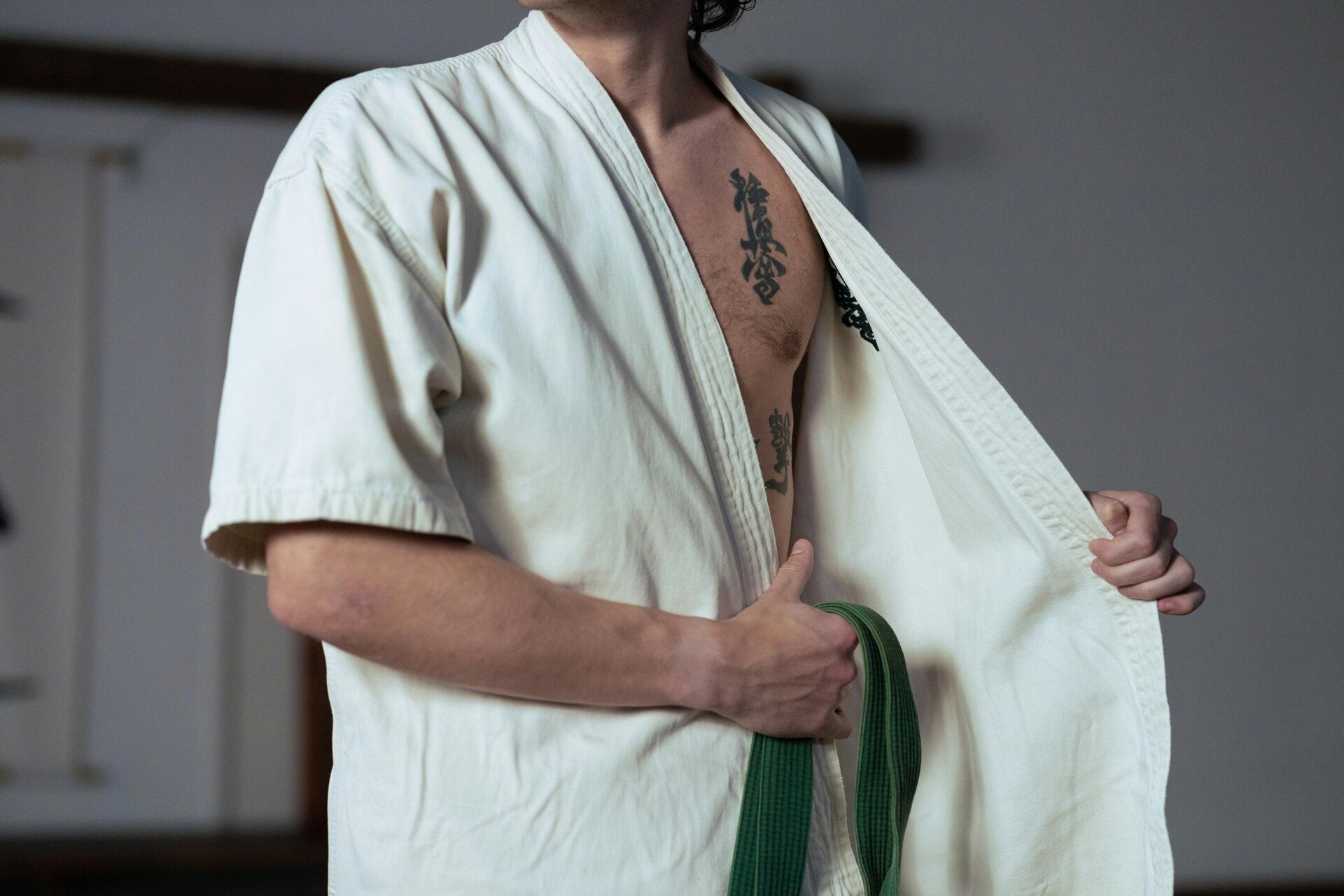
Why Fit Matters
More Than Most Martial Artists Think
Many practitioners focus on brand or price. Very few consider fit as a performance factor. Yet the way your uniform fits directly influences how you move, how you feel, and how you train.
Freedom of Movement
A well-fitted uniform allows natural movement without restriction. When your sleeves, shoulders, or hips restrict movement, technique becomes less precise.
Over time, this leads to compensation and unnecessary tension.
Comfort and Focus
Discomfort reduces concentration. When your uniform constantly distracts you, your training quality decreases.
Comfort allows deeper focus and better learning.
Confidence and Presence
A structured and well-fitted uniform improves posture and presence. This influences how you move and how others perceive your discipline.
Confidence is not only mental. It is also physical.
Long-Term Sustainability
Over years of training, small details matter. A uniform that supports your body reduces friction, irritation, and unnecessary fatigue.
This contributes to sustainable training.
Conclusion
Fit is not a luxury. It is a functional tool that supports your development.
Investing in the right fit supports your long-term path.

How to Maintain Your Keiko Gi
How to Maintain Your Keiko Gi and Extend Its Lifespan
A high-quality Keiko Gi can last for years if maintained correctly. Poor habits shorten lifespan and reduce structure. These simple principles will help you protect your investment.
Wash with Structure
Avoid aggressive washing. Use moderate temperatures and avoid overloading your machine. This preserves fibres and reduces stress.
Control Shrinkage
Natural fabrics respond to heat. Avoid high temperatures and aggressive drying.
Air drying preserves shape and structure.
Rotate Uniforms
If you train frequently, use more than one gi. This reduces wear and allows fabrics to recover.
Inspect and Repair Early
Small damage becomes large if ignored. Reinforce areas under stress and repair early.
Store with Care
Keep your uniform clean and dry. Avoid leaving it in bags or humid spaces.
Final Thoughts
Maintenance is part of discipline. A well-maintained uniform supports professionalism, confidence, and long-term performance.